
Base Load Calculator
Your base load is how much power is used by devices in your home that are left on 24/7.
- Reducing your base load could have a suprisingly big impact on your energy bills.
- DIY / Plug in solar and battery setups could reduce your base load significantly.
Already know what you need?
Use our solar kit builder tool to find products.
Solar Kit BuilderEstimate Your Base Load
What devices do you leave plugged in 24/7?
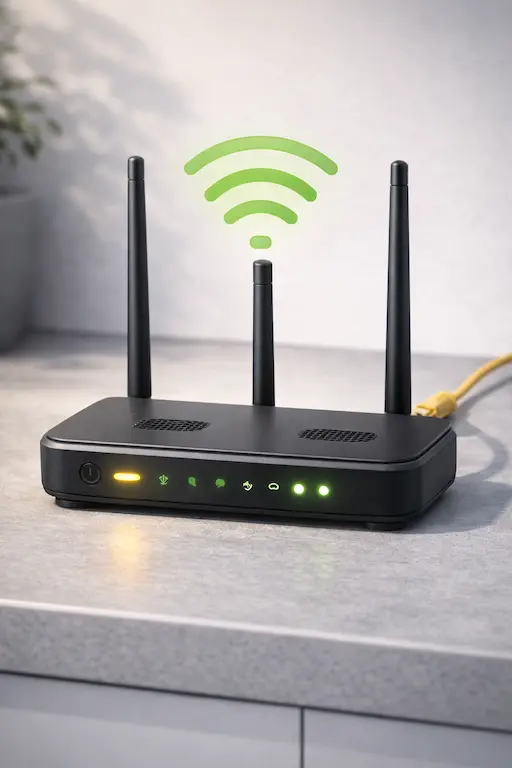
- 0.3 kWh/day
- ~95kWh/month
- £3/month
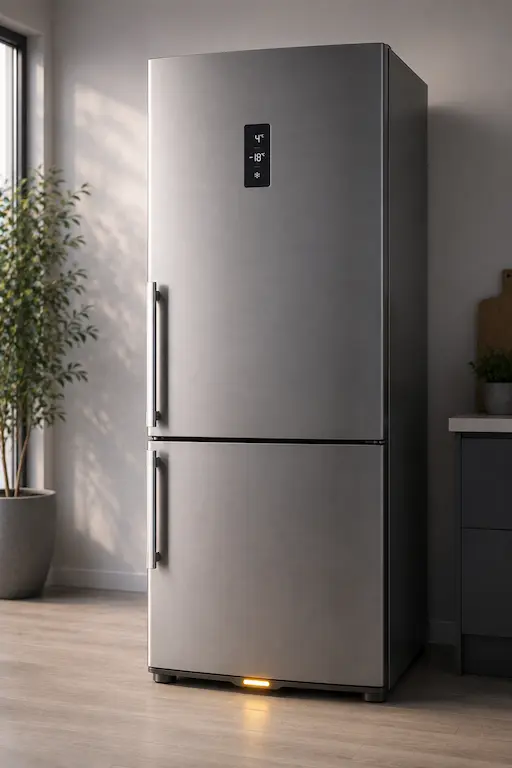
- 1 kWH/day
- ~30kWh/month
- £8/month
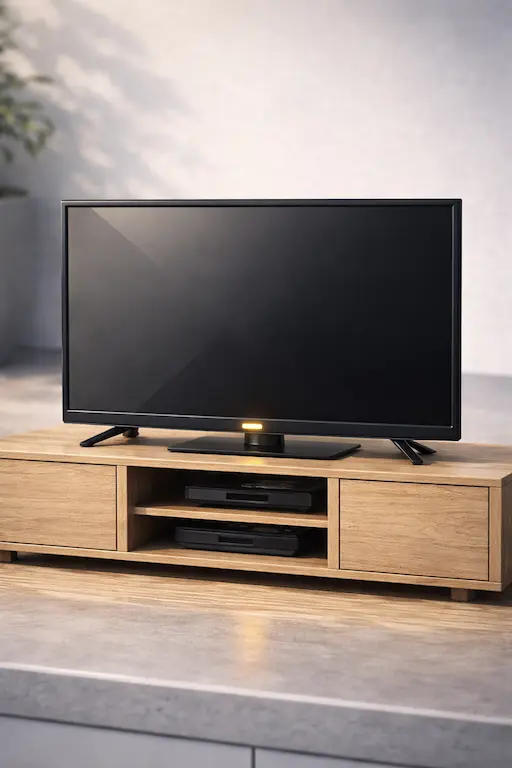
- 0.2 kWh/day
- ~6kWh/month
- £2/month
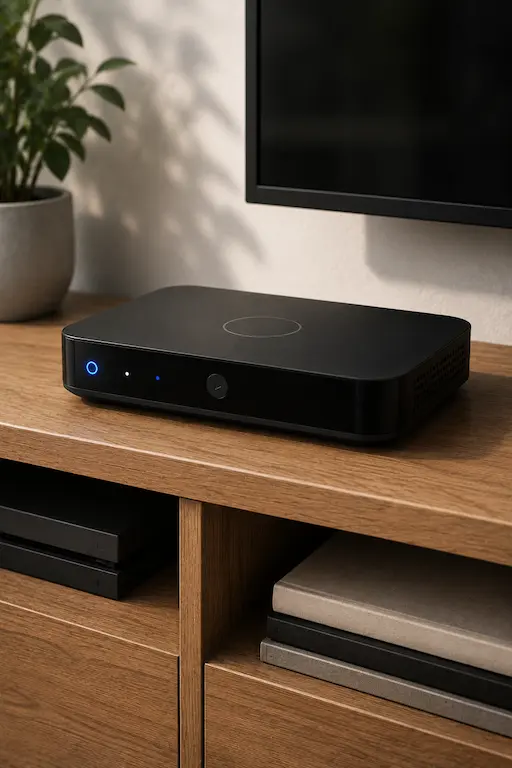
- 0.3 kWh/day
- 9kWh/month
- £2/month
- 4.8 kWh/day
- ~146kWh/month
- £39/month
- 0 kWh on Standby
- ~0kWh/month
- £0/month
Your Estimated Base Load
Based on the information you provided, we estimate your base load to be:
61 W base load
This works out to:
45 kWh/month
This would cost you:
£12.02 /month
or
£144.28 /year
Reducing Your Costs
Offsetting your base load can make a huge impact on your energy bills.
Before looking at solar panel systems to reduce your costs, consider:
- Reviewing your devices and turning off unnecessary ones.
- Consider timer plugs to turn devices on and off automatically, but be aware that smart plugs will also use a small amount of power too.
- Considering energy efficiency when purchasing any new devices, for example heat pump tumble dryers use much less electricity that standard condenser dryers.
What do I need?
Based on the information you've provided, you'll need the following setup to offset your base load:
Inverter Minimum Size:
122W
Battery Size Required:
2 kWh
A battery of this size will power your base load for the whole day, even without solar panels.
Ready for solar?
Use our online tool to find personalised product recomendatons and get the right system for you.
Build Your Solar KitFrequently Asked Questions
What is your base load?
Base load refers to the amount of power that's used by your home 24/7.
Think of all the devices that you leave plugged in constantly. WiFi Routers, TVs on standby, fridge freezers, air purifiers etc.
All of this contributes to your electricity bill and in many cases your base load will suprise you when you work out what it's actually costing you.
How can I measure my base load?
The simplest way to measure your base load is with a smart meter.
If you have one of them small in home displays that's given to you buy your energy provider, it should usually show you on the screen how much power you are drawing at the present moment. Watch your screen for a minute or two without using any additional devices (like the kettle or oven etc) and you'll get a good idea of your base load.
If you don't have a smart meter, you can buy smart energy monitoring plugs that allow you to check how much a specific device is using, or a clamp meter to measure how much power is being used.